

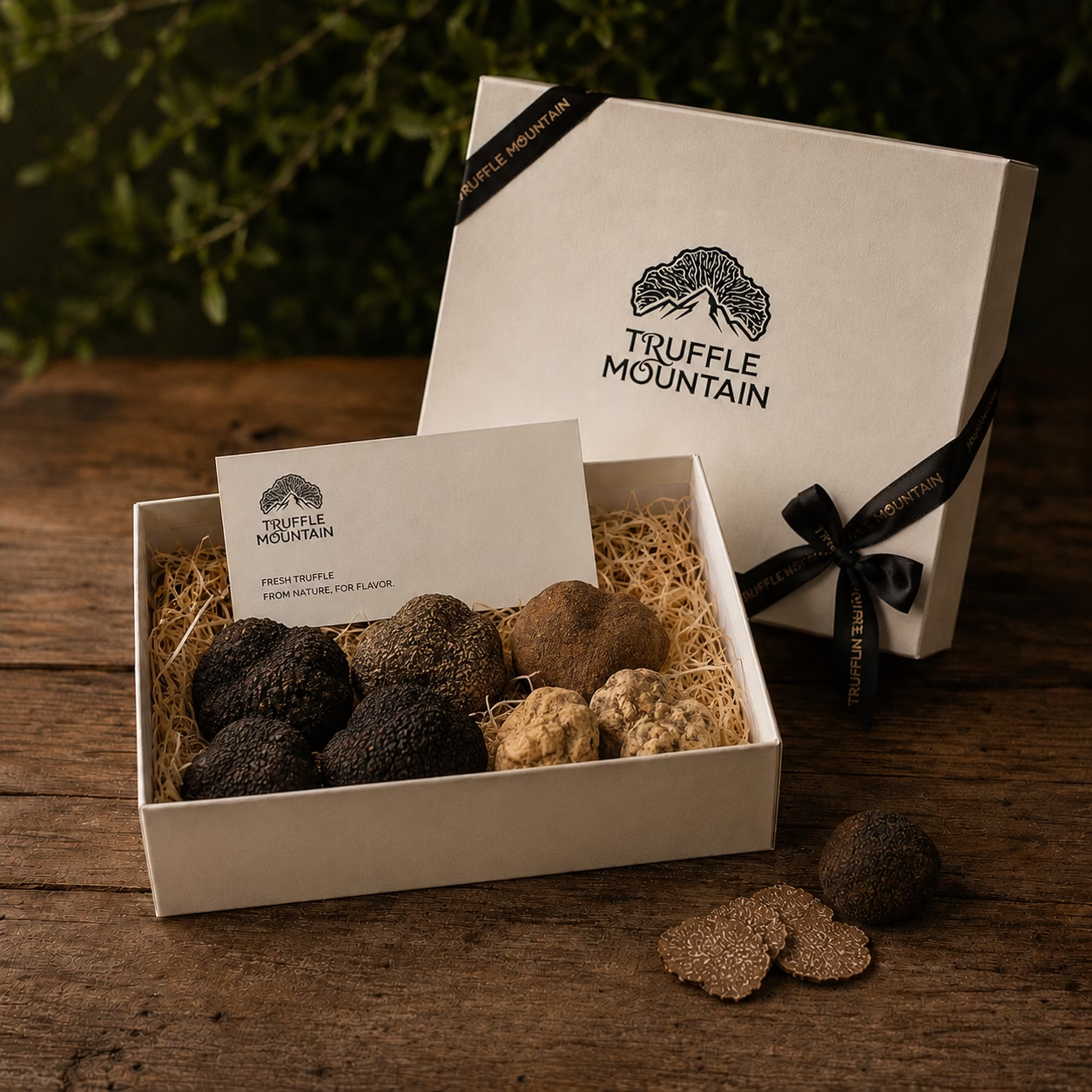

For wholesale buyers, chefs, and distributors, understanding the differences between Chinese black truffles and European black truffles is crucial for sourcing decisions. While both are prized in gourmet markets, they have distinct characteristics, supply considerations, and pricing that affect purchasing strategies.
Appearance and Size
Both Chinese and European black truffles can appear similar at first glance, but there are subtle differences:
- European black truffle (Tuber melanosporum): Usually darker in color, with a firm texture and a more uniform marbling pattern inside. Larger sizes are often considered premium for high-end restaurants.
- Chinese black truffle (Tuber indicum): Slightly lighter in color, surface texture is often rougher, and internal marbling is less pronounced. Sizes can vary, and smaller truffles are commonly used in processed products or mixed wholesale orders.
For buyers, size grading matters as it impacts presentation and price per kilogram.
Aroma and Flavor
The aroma is perhaps the most noticeable difference:
- European black truffle: Strong, earthy, and complex aroma. Often described as “musky” with deep umami notes.
- Chinese black truffle: Milder aroma, less intense, but still earthy. This makes it more versatile for blending in dishes without overpowering flavors.
Wholesale buyers should consider how the end customer will use the truffle—restaurants may prefer European truffles for signature dishes, while Chinese truffles are suitable for broader menu integration.
Supply and Seasonal Availability
Understanding seasonal patterns is key for importers:
- European black truffle: Harvest season is usually from November to March. Supply can be limited, especially in peak restaurant periods, and prices fluctuate.
- Chinese black truffle: Also harvested between November and March, but in many regions the supply is more stable and available in larger quantities. This makes it suitable for wholesalers needing consistent stock.
Experienced buyers often plan early, securing contracts before peak season to ensure supply and manage costs.
Pricing Considerations
Price is always a decisive factor:
- European black truffles generally command a premium due to their strong aroma, historical reputation, and limited supply.
- Chinese black truffles are typically more competitive in price, which allows wholesalers to offer high-quality truffle at a lower cost, especially when volume matters.
Many buyers mix both types depending on their client segment and pricing strategy.
Export and Logistics
For international buyers, proper handling during export is essential:
- Both truffle types require cold-chain logistics to maintain freshness.
- Chinese suppliers often have extensive experience with air freight to Asia, the Middle East, and Europe, including vacuum-sealed packaging, moisture control, and fast customs clearance.
Selecting a supplier with proven export experience can prevent product loss and ensure consistent quality.
Final Thoughts
Wholesale buyers need to choose truffle type based on end-market demand, dish application, and budget:
- European black truffle: Ideal for high-end restaurants and signature dishes where aroma intensity is key.
- Chinese black truffle: Suitable for bulk orders, menu diversification, and clients looking for reliable supply at a more competitive price.
Ultimately, many importers work with both types to balance quality, cost, and seasonal availability.
Pro tip for buyers: Request sample shipments before committing to larger orders. This allows you to compare aroma, texture, and grading between suppliers and make informed purchasing decisions.
Related Articles
- Seasonal Availability of Fresh Truffle: When to Buy and Plan Orders
- China Black Truffle Season Guide 2026
- How to Import Fresh Truffles from China: A Supplier’s Real Experience from Yunnan and Sichuan
- The Difference Between Tuber Indicum and Tuber Melanosporum: A Practical View from the Truffle Trade
- Why Yunnan and Sichuan Is Becoming One of the World’s Important Truffle Regions
- China’s Expanding Truffle Regions Are Reshaping the Global Supply Chain
- Why More Distributors Are Sourcing Truffles from China
- How Fresh Truffles Are Packed for International Shipping
[…] European vs Chinese Black Truffles: A Wholesale Buyer’s Comparison […]
[…] European vs Chinese Black Truffles: A Wholesale Buyer’s Comparison […]
[…] European vs Chinese Black Truffles: A Wholesale Buyer’s Comparison […]
[…] European vs Chinese Black Truffles: A Wholesale Buyer’s Comparison […]
[…] European vs Chinese Black Truffles: A Wholesale Buyer’s Comparison […]
[…] European vs Chinese Black Truffles: A Wholesale Buyer’s Comparison […]