

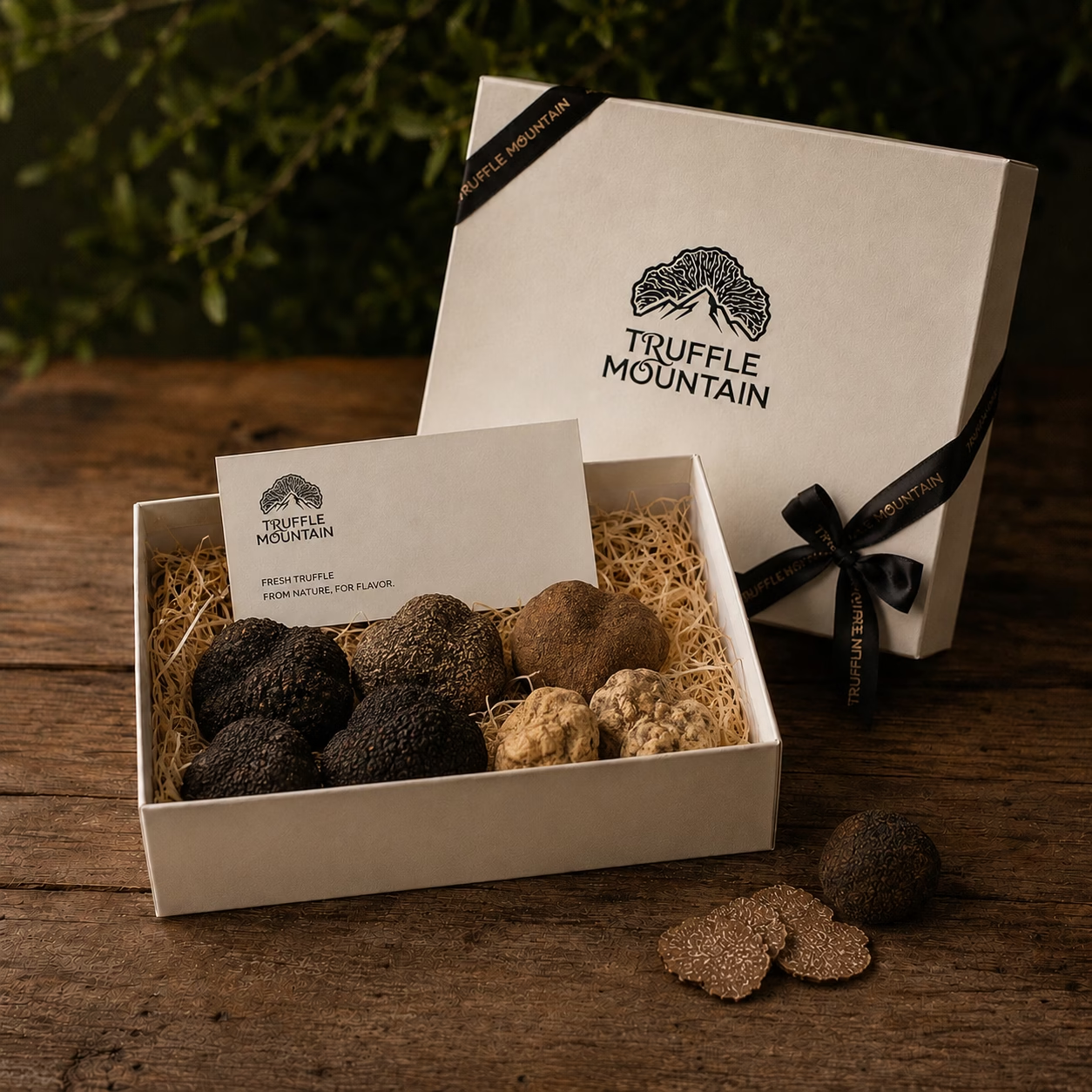

For buyers, distributors, and restaurant owners, understanding the China black truffle season is one of the most important parts of planning purchases.
Unlike many agricultural products, fresh truffles are highly seasonal. Availability, quality, and pricing can change significantly throughout the harvest period.
If you are planning to source fresh truffles from China in 2026, this guide will help you understand what to expect during the season.
When Does the China Black Truffle Season Start?
The China black truffle season generally begins in late autumn and continues through winter.
Most harvesting activity takes place between November and March, although exact timing may vary depending on weather conditions and regional growing areas.
Early-season truffles are usually available in limited quantities, while supply becomes more stable as the season progresses.
Understanding the Fresh Truffle Harvest Cycle
Like many wild products, truffle production depends heavily on natural conditions.
Factors that affect harvest volume include:
- Rainfall during the growing period
- Soil conditions
- Temperature changes
- Overall weather patterns
Because of these variables, no two seasons are exactly the same.
Some years bring abundant harvests and stable prices, while others may experience tighter supply.
Early Season vs Peak Season
Early Season (November–December)
At the beginning of the season, fresh truffles begin entering the market in limited quantities.
During this period:
- Supply is relatively low
- Prices are often higher
- Larger sizes may be harder to secure
Many restaurant buyers place early orders to introduce seasonal menu items.
Peak Season (December–February)
This is typically the most active period of the China black truffle season.
Buyers can usually expect:
- Better availability
- More grading options
- More stable supply
- Improved shipping flexibility
For most wholesale buyers, this is often the ideal time to source fresh truffles.
Late Season (February–March)
As the season approaches its end, harvest volumes gradually decline.
Supply becomes less predictable, and prices may fluctuate depending on market demand.
Importers planning promotions or seasonal sales should secure inventory before availability becomes limited.
How Buyers Prepare for the Season
Experienced distributors and importers often begin planning several weeks before the harvest reaches full production.
Preparation may include:
- Confirming supplier availability
- Discussing grading requirements
- Reviewing shipping schedules
- Estimating expected demand
Advance planning can help avoid supply shortages during peak demand periods.
Logistics During Harvest Season
Because fresh truffles are highly perishable, fast logistics remain essential throughout the season.
Most export shipments are arranged by air freight with temperature-controlled packaging.
Buyers should also allow time for:
- Customs clearance
- Local transportation
- Storage preparation
Good logistics planning helps maintain freshness from harvest to final delivery.
Market Trends for 2026
Demand for fresh black truffles continues to grow in several international markets, particularly among:
- Restaurants
- Gourmet food distributors
- Specialty food retailers
Many buyers are looking for stable supply sources that can provide consistent quality throughout the season.
As a result, early communication with suppliers is becoming increasingly important.
Final Thoughts
The China black truffle season offers excellent opportunities for importers and food businesses looking to secure fresh seasonal products.
Understanding harvest timing, market conditions, and logistics requirements can help buyers make better purchasing decisions and avoid last-minute supply challenges.
For businesses planning to source fresh truffles in 2026, preparing early and maintaining close communication with suppliers is often the best approach.
Related Articles
- How to Import Fresh Truffles from China
- The Difference Between Tuber Indicum and Tuber Melanosporum: A Practical View from the Truffle Trade
- Why Yunnan and Sichuan Is Becoming One of the World’s Important Truffle Regions
- Black Truffle Harvesting in Yunnan and Sichuan: Traditional Manual Methods and Local Practices
- Fresh Black Truffle Wholesale: What Buyers Should Know Before Ordering
- China Black Truffle Season Guide 2026
[…] China Black Truffle Season Guide 2026: Fresh Truffle Harvest & Supply Planning […]
[…] China Black Truffle Season Guide 2026 […]
[…] From our perspective in Yunnan and Sichuan, the most successful importers are not the ones chasing the lowest price, but the ones who understand how the supply actually behaves in real life. […]
[…] China Black Truffle Season Guide 2026: Fresh Truffle Harvest & Supply Planning […]
[…] China Black Truffle Season Guide 2026: Fresh Truffle Harvest & Supply Planning […]
[…] China Black Truffle Season Guide 2026: Fresh Truffle Harvest & Supply Planning […]
[…] China Black Truffle Season Guide 2026: Fresh Truffle Harvest & Supply Planning […]
[…] They do NOT focus only on price. […]
[…] China Black Truffle Season Guide 2026 […]
[…] 👉 Buyers trying to better understand harvest timing can also refer to our:China Black Truffle Season Guide 2026 […]
[…] Keep the truffle stable, not sealed. […]
[…] You can also refer to our China black truffle season guide 2026 to understand how seasonal changes affect […]